Beyond the Donation Bin: Sustainable Wardrobe Decluttering
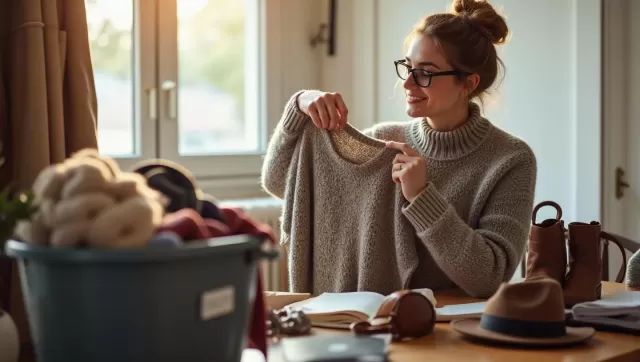
Clearing out your closet is a familiar new year's ritual, but the aftermath often tells a different story. Overflowing textile donation bins outside supermarkets reveal a well-intentioned habit that can sometimes do more harm than good. While we imagine our unwanted garments finding a second life, the reality is that a vast quantity ends up contributing to global waste, often shipped overseas or sent to landfill. This doesn't mean we should stop decluttering, but it does call for a more mindful approach. Here's how to thoughtfully manage your wardrobe clear-out.
Resell Your Preloved Items
The market for secondhand fashion is booming, driven by both economic factors and environmental awareness. Successfully selling your items hinges on presentation and platform choice. For ease of use, apps like Vinted are highly popular, while niche or classic brands often perform better on dedicated marketplaces like Marrkt.
Effective listings are crucial. Use descriptive keywords such as 'rare' to attract attention. Photograph items in natural light, clearly showing any flaws, and include a measuring tape in the shot for accuracy. Price competitively by researching similar active listings, and consider listing multiple items at once to increase visibility. Fill the title with key details: size, brand, and condition. Some sellers even suggest styling ideas to help buyers visualize the piece.
Keep items ready for sale in a dedicated bag or space for easy dispatch. In terms of what sells, quality always wins. Accessories like hats, bags, and shoes are consistently in demand, as is high-quality knitwear and luxury items, which can sometimes even turn a profit.
Donate With Consideration
Charity shops provide vital support for causes, but they are not a disposal service for unsellable goods. Donating damaged, stained, or dirty clothing actually costs charities money, as they must pay for its disposal. A good rule is: if you wouldn't give it to a friend, don't donate it.
When you do donate, ensure items are clean and in good condition. Pack them carefully in sturdy bags to prevent damage, and avoid overpacking, as crushed clothes are harder to sell. Charity shops thrive on wearable, reusable pieces. Practical items like trainers, boots, work shoes, and accessories in good condition are always welcomed.
Repair Before You Replace
Often, garments are discarded long before their time. Many repairs, from invisible reweaving to replacing linings, can extend a piece's life for years. The challenge is finding skilled local repair services, which often operate offline.
Thankfully, new platforms are bridging this gap. Services like The Seam connect customers with expert makers for clothing and accessory repairs nationwide. For footwear, specialist mail-in services can expertly resole and restore well-loved shoes. Door-to-door alteration and repair services are also becoming more accessible, making it easier than ever to fix rather than discard.
Recycle Responsibly
True textile recycling—turning old clothes into new ones—remains a small fraction of the industry. However, innovative programmes are leading the way. For example, some companies accept 100% cotton items (excluding underwear and jeans) and genuinely recycle them into new garments, often offering a voucher in return.
For mixed items, look for take-back schemes partnered with reputable brands. These programmes guarantee that items are either repaired for resale, recycled, or downcycled, with a commitment to keeping them out of landfill. Always check a program's credentials before sending your items.
Restyle and Repurpose
Before buying new, re-evaluate what you already own. Try combining pieces in new ways, then identify one key item, like a blazer or jacket, that can refresh multiple outfits. Shopping for this piece secondhand completes the sustainable cycle.
When a beloved item is beyond wear, consider transformation. Skilled artisans can remake a special dress into everyday separates or turn worn-out materials into entirely new objects like tote bags, jewellery dishes, or homeware. This creative approach gives sentimental pieces a lasting purpose.
Embracing these strategies moves us beyond the simple clear-out towards a more circular and conscious relationship with our clothes. It's about valuing what we have, extending its life, and ensuring its final journey is a responsible one.