Charity Shops Rethink Fashion to Combat Textile Waste
Fashion is undergoing a quiet revolution, not on the glossy pages of high-end magazines, but within the vibrant aisles of our beloved charity shops. Forget what you thought you knew about secondhand shopping; these hubs of community and sustainability are reimagining how we interact with preloved garments, turning excess into opportunity and driving a crucial shift towards circularity.
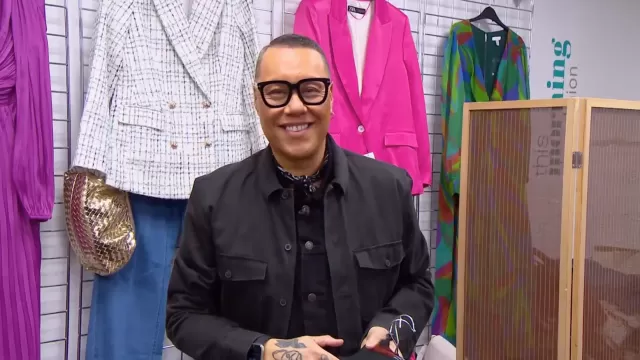
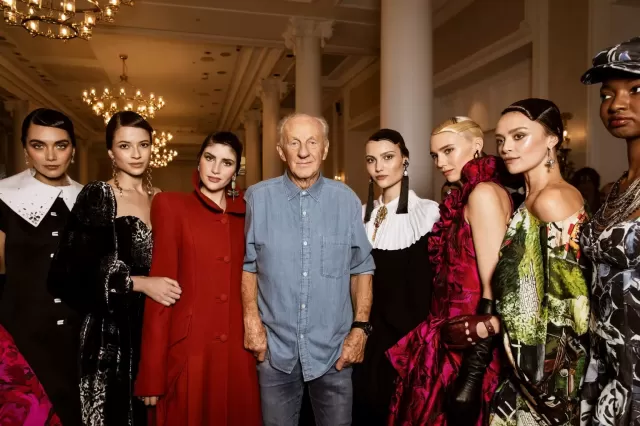
A prime example of this fresh approach can be found at Second Life, a charity shop in East Sussex that recently transformed its annual fashion show into an interactive "catwalk to closet" experience. Unpaid, enthusiastic volunteers showcased outfits assembled entirely from their stock, allowing attendees to purchase items directly off the runway – even pieces with minor imperfections. This innovative model, which saw half of the showcased collection sold on the spot, is gaining traction across the sector, ensuring garments bypass landfill or overseas dumps.
This trend was echoed at London Fashion Week, where Oxfam, styled by renowned thrift advocate Bay Garnett, presented a collection worn by public figures like Sam Ryder and Katie Piper. These unique preloved items, from distinctive boiler suits to elegant wedding dresses, were made available for purchase via Oxfam's Vinted shop shortly after. Similarly, Charity Super.Mkt, a multi-charity retail concept, hosts "People's Catwalks" at festivals, featuring designs crafted from damaged garments and surplus materials. Even the Salvation Army is stepping into the spotlight, planning a fashion show at its Swansea donation center where all featured looks will be instantly available for sale.
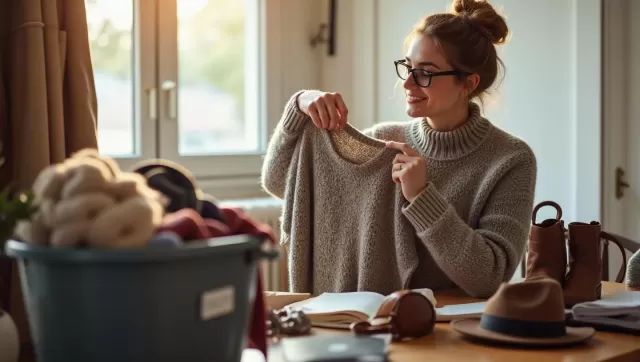
Second Life's creativity extends beyond the runway. They breathe new life into clothing through overdyeing, collaborate with local designers for unique upcycling projects, and host workshops where volunteers transform worn T-shirts into stylish bags, tired jeans into purses, and duvet covers into playful dungarees.
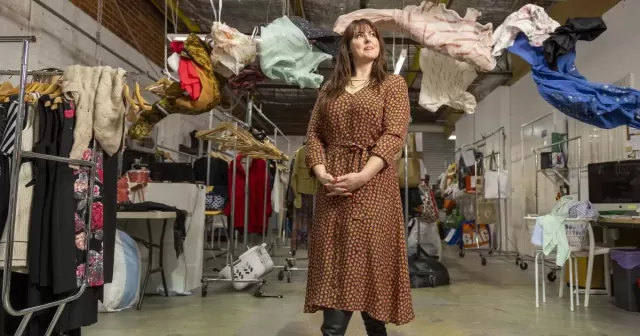
This surge in ingenuity is a vital response to a growing challenge. Charity shops nationwide are grappling with an overwhelming influx of low-quality or unsaleable donations. Industry figures suggest that only about a third of donated items actually sell over the counter. This issue is exacerbated by consumers increasingly "cherry-picking" the best items to sell themselves on platforms like Vinted, leaving charities to manage the less desirable remnants. As one manager at Second Life noted, their large weekly collection bin is consistently "filled to bursting."
Yet, this challenging landscape has ignited a wave of innovation. Experts observe a distinct rise in creative solutions, often spearheaded by a younger generation within the workforce. The old adage of "this is how we've always done it" is being replaced by a necessary ethos of "thinking outside the box."
For instance, when Havens Hospices, an Essex-based chain, faced sales challenges from rising costs and competition, they launched designer collaborations and introduced £12 surprise bundles. These curated packages contain four items of a specific size, themed around aesthetics like cottagecore or Y2K. By sending these to influencers, they harnessed social media to boost sales. Similar mystery bundles are now offered by Isabel Hospice, Fara, Age UK, and the Salvation Army.
Ultimately, the drive is to prevent waste. Beyond the environmental benefits, these inventive approaches generate significantly more income than simply selling textiles as "rag" and save charities from incurring disposal fees.
While campaigning groups continue to advocate for greater industry responsibility in addressing fashion's colossal waste problem, the resourcefulness of our charity shops provides immediate and tangible solutions. Many have "upped their game beautifully," transforming from perceived high street blights into beacons of sustainable living and community hope.