Climate Shifts: Strange Weather Marks 2026 New Year
The transition from 2025 into 2026 arrived under a blanket of unusual and severe weather across the United States. This stark shift in conditions served as a powerful reminder of our evolving climate patterns, affecting iconic events and regions known for their typically mild conditions.
Unprecedented Conditions at a New Year's Tradition
For the first time in over a quarter-century, steady rain dampened the famed Rose Parade in Pasadena. Spectators and elaborate floral floats, designed for brilliant sunshine, instead faced a persistent downpour. This break from a decades-long dry streak for the event highlighted the increasing unpredictability of long-standing weather norms.
A Deep Chill in the Sunshine State
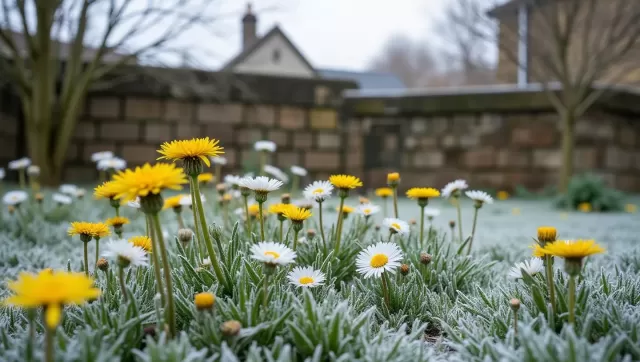
Meanwhile, residents of Florida experienced a surprising and biting cold snap. Freezing temperatures gripped parts of the state, challenging its "Sunshine State" moniker and raising concerns for agriculture, wildlife, and infrastructure unaccustomed to such extremes. This event underscores how shifting atmospheric patterns can deliver uncharacteristic weather to even the most temperate zones.
What This Means for Our Climate Understanding
These concurrent events—a rare West Coast rainstorm and an unusual Southeast freeze—provide a snapshot of broader environmental changes. Key takeaways include:
- The increasing frequency of outlier weather events disrupting traditional schedules and expectations.
- The tangible impact on community events, local economies, and ecosystems.
- The importance of adaptive planning and resilience in the face of a less predictable climate.
As we move further into 2026, these early-January phenomena set a tone for heightened awareness. Observing and understanding these patterns is crucial for future preparedness, emphasizing that climate trends are no longer distant forecasts but present-day realities influencing celebrations, daily life, and regional identities across the nation.