Dryrobe wins trademark battle, sets precedent
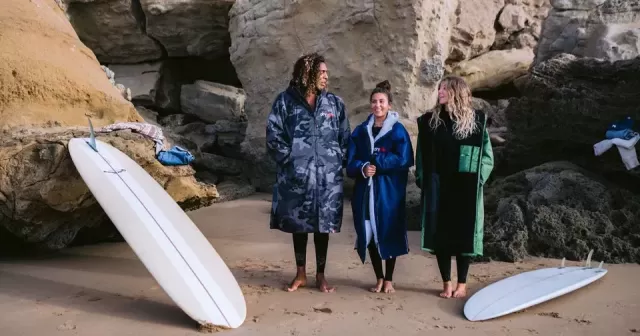
The company behind the popular Dryrobe, the oversized, towel-lined coat that has become a staple for outdoor swimming enthusiasts, has successfully defended its brand in a High Court trademark dispute. A judge in London has ordered a smaller competitor, D-Robe, to cease selling its products under that name within one week, concluding a significant legal battle over brand identity.
The court found the smaller firm guilty of "passing off," a legal term for misrepresenting goods or services as being those of another brand. The ruling affirmed that D-Robe was infringing on its larger rival's trademark and was aware of the infringement. This victory allows Dryrobe to potentially seek financial compensation for the damages incurred.
The Heart of the Dispute: Similarity and Confusion
The legal challenge centred on the similarity between the two brand names. Judge Melissa Clarke determined that the names "D-Robe" and "Dryrobe" possessed a high degree of visual resemblance. She concluded that a significant number of consumers familiar with the Dryrobe brand would likely be confused by the D-Robe name, mistakenly associating the two companies.
In its defence, the smaller company argued that the term "dryrobe" had evolved into a generic descriptor for any oversized changing robe, a process known as genericide. However, the judge dismissed this claim, ruling that as of 2022, the majority of the public still recognised Dryrobe as a specific brand name rather than a general product category. This part of the ruling underscores the importance for brands to actively protect their trademarks from becoming common vocabulary.
From Niche Surf Gear to Cultural Phenomenon
Dryrobe was founded in 2010 by former financier Gideon Bright, who initially designed the garment as a practical changing solution for surfers. The brand's popularity exploded during the COVID-19 pandemic, as lockdowns spurred a massive interest in wild and outdoor swimming when conventional gyms and pools were closed.
The brand's financial growth was remarkable, with sales soaring from £1.3 million in 2017 to £20.3 million by 2021. While sales have since moderated to £18 million in 2023 due to increased competition and a normalisation of outdoor activity trends, the robe's influence remains strong. It is now a common sight far beyond beaches and riverbanks, frequently worn by dog walkers and on high streets across the UK. The garment even became a talking point in a minor culture war after a sign mocking its wearers appeared on an Irish beach, leading to a wave of online support from fans.
Aftermath and Future Strategies
Following the verdict, Dryrobe's founder celebrated the outcome as a crucial win against the rising tide of "copycat products" that often attempt to leverage his company's established brand recognition. He noted that the company is focused on expanding its international presence and diversifying its product line to counter the growing competition in the market.
The company formerly known as D-Robe has already rebranded to Delta Roam, a change that a spokesperson stated was underway before the court case concluded. The spokesperson confirmed that most of the D-Robe branded stock had already been sold and that the company is now in a strong position, launching new products with celebrity endorsements and planning its own expansion into European and US markets.
This case serves as a powerful example of the necessity for a robust and persistent intellectual property strategy. It follows a previous legal settlement for Dryrobe nearly two years ago with the fashion brand Superdry, which involved an agreement over the specific font used in its logo, further demonstrating the company's commitment to rigorously defending its unique brand identity.