Edible Home: RHS 2026 Plant Trends
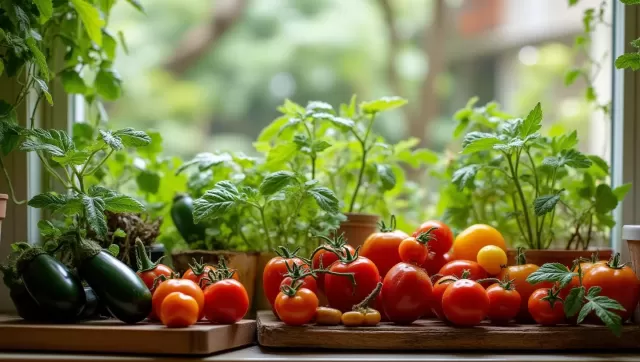
Get ready to rethink your indoor greenery! For 2026, the Royal Horticultural Society (RHS) predicts a significant shift in home décor, with tabletop vegetable plants poised to replace traditional bouquets of cut flowers. This exciting trend sees miniature aubergines, vibrant chillies, colourful peppers, and ripe tomatoes taking pride of place on windowsills and tabletops. Breeders are actively developing dwarf, decorative varieties that not only add aesthetic appeal but also contribute to your weekly grocery haul.
This evolution is a direct response to shifting consumer desires and environmental realities. Gardeners, profoundly impacted by recent record-breaking dry springs and summers, are actively seeking out drought-tolerant options. The widespread hosepipe bans of summer have underscored the need for plants that can thrive with minimal water. In response, rose growers are notably crossbreeding existing varieties with hardy central Asian species, renowned for their resilience in arid conditions.
These predictions stem from the RHS's comprehensive engagement with the public across its gardens, shows, and advisory services. This, combined with an analysis of retail and industry trends, cutting-edge scientific research, and advancements in plant breeding, paints a clear picture of what's to come.
Guy Barter, the RHS's chief horticulturalist, highlights the growing market for compact vegetable plants. "Plant breeders and nurseries see small vegetable plants as a significant growth area," he notes. "They've developed compact cultivars that yield substantial crops of high-quality produce. These are easy to grow and visually appealing throughout their maturity, offering gardeners weeks of enjoyment."
The accessibility of these plants is also increasing. Consumers can find seeds to cultivate their own, order plug plants by mail, or purchase small potted specimens directly from garden centres. This makes growing edible plants indoors more convenient than ever, especially for those lacking greenhouse space for larger, more sensitive crops like aubergines, chillies, peppers, and tomatoes. Cold frames, cloches, and even sunny windowsills are becoming ideal growing environments.
Among the emerging popular choices are:
- Tabletop chillies
- Compact aubergines
- Hanging basket cucumbers
Potted herbs continue their reign as a beloved staple, with RHS retail sales experiencing a notable 10% increase in the past year.
The development of drought-tolerant rose varieties is another key adaptation to climate change. "Roses are inherently tough and reliable shrubs," Barter explains. "However, by incorporating Rosa persica from central Asia – a region with harsh winters and intensely hot, dry summers – plant breeders are elevating rose resilience to unprecedented levels. Trials at RHS Wisley are currently underway using R. persica to imbue new cultivars with superior drought and disease resistance. These varieties have already demonstrated exceptional performance this summer, thriving amidst extreme conditions."
The Rise of the "In-and-Out Plant"
A clever and increasingly popular climate hack involves the strategic use of "in-and-out plants." This trend sees traditionally indoor varieties, such as spider plants and tradescantia, making a successful transition to outdoor summer hanging baskets and pots. This practice is expected to grow as England braces for more frequent hot, dry summers. Lantana, long a popular indoor plant in Britain, has showcased prolific flowering at RHS Garden Wisley this year, further demonstrating its adaptability. Other plants previously confined indoors, like the more delicate lomandra and various salvia hybrids, are now being considered viable outdoor options.
The Year of the Tomato Continues
2025 has been a banner year for tomatoes, with gardeners capitalising on the hot, dry summer, which resulted in a 14% surge in sales. The RHS anticipates this upward trajectory to continue into 2026.
Innovative Water Management Solutions
The persistent drought conditions are spurring innovation in water conservation. Gardeners are experimenting with novel uses for water butts, including punching small, strategically placed holes to create a slow, steady release of water into the soil. This method aids in water retention and ensures capacity for subsequent rainfall, thereby minimising reliance on mains water. High-tech solutions are also on the horizon, with AI-enabled water butts that autonomously empty based on weather forecasts currently undergoing trials and anticipated for market release in the near future.