Microplastics Threaten Ocean's Climate Regulation
While the visible toll of plastic pollution on marine life is widely recognized, a more insidious threat is emerging beneath the waves. New scientific analysis reveals that microplastics—those pervasive particles smaller than five millimeters—are actively undermining the ocean's crucial role in stabilizing our climate by absorbing carbon dioxide.
The Overlooked Intersection of Two Crises
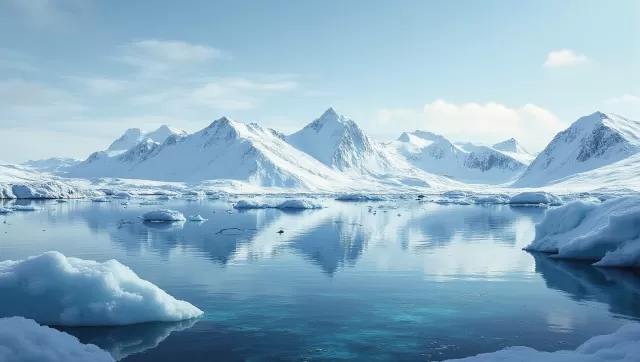
Researchers are sounding the alarm that the interconnected dangers of microplastic pollution and climate disruption have been severely understudied. These tiny plastic fragments are now found from the deepest ocean trenches to Arctic ice and even within our bodies. Beyond the direct harm to wildlife and ecosystems, they are interfering with fundamental planetary processes. A collaborative study from an international team of scientists highlights a critical finding: microplastics are disrupting the ocean's natural carbon cycling systems, potentially accelerating global warming.
How Microplastics Weaken the Ocean's Climate Shield
The ocean acts as the planet's largest carbon sink, largely through a vital mechanism known as the "biological carbon pump." This process involves phytoplankton absorbing atmospheric CO2 during photosynthesis. Zooplankton then consume these phytoplankton, and through their waste and eventual death, carbon is transported to the deep sea for long-term storage.
Microplastics threaten this delicate pump in several key ways:
Impairing Marine Life: They reduce phytoplankton's ability to perform photosynthesis and disrupt zooplankton metabolism. This directly weakens the efficiency of carbon transfer to the deep ocean.
Fueling the Plastisphere: A unique ecosystem of microbes, called the plastisphere, colonizes plastic particles. This microbial community engages in complex biological activity that can contribute to greenhouse gas production.
Releasing GHGs Directly: As microplastics degrade in the marine environment, they themselves release greenhouse gases, adding another layer to their climate impact.
The cumulative effect risks exacerbating ocean warming, acidification, and biodiversity loss—threatening global food security and coastal communities.
A Call for Integrated Research and Policy
The research, which synthesized findings from numerous studies, adopted an integrative approach to connect evidence across disciplines. It identified significant gaps in understanding the full scope of microplastics' influence on climate dynamics. Much prior focus has been on detection and cleanup, leaving the broader systemic consequences poorly mapped.
The authors argue that this hidden climate threat demands a paradigm shift. Plastic pollution can no longer be viewed in isolation from the climate crisis; the two are inextricably linked. With over 400 million tonnes of plastic produced annually—a figure set to potentially triple by 2060—the cumulative impact is a growing concern.
Pathways to a Solution
To safeguard the ocean's climate-regulating capacity, the study advocates for urgent, coordinated global action:
Policy Integration: Governance frameworks must simultaneously address microplastic pollution and climate change, particularly ocean warming and acidification.
Rethinking SDGs: The United Nations should expand how plastics are represented within the Sustainable Development Goals to better capture their cross-system risks.
Source Reduction: Drastically cutting single-use plastic production and consumption is paramount.
Innovation & Management: Investing in advanced waste management, biodegradable alternatives, and AI-driven monitoring tools is essential.
Targeted Research: Future studies must quantify the specific climate impact of microplastics and explore integrated mitigation solutions.
The conclusion is clear: protecting our oceans from plastic pollution is now a critical front in the fight against climate change. As research moves to quantify these effects, the message to policymakers and the public is that tackling plastic waste is not just about cleaner beaches—it's about preserving a fundamental system that keeps our planet habitable.