Middle East Conflict Threatens Asia Energy Lifelines
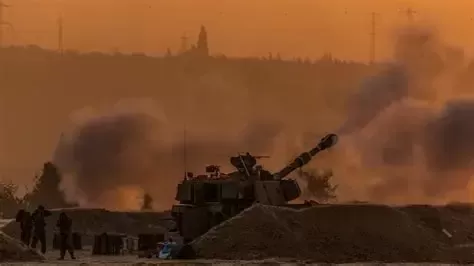
The escalating conflict in the Middle East has sent shockwaves through global energy markets, prompting severe warnings regarding Asian energy security. Heavyweight consumers—specifically China, Japan, and India—are scrambling to implement emergency measures to prevent a full-blown crisis. The catalyst is the sudden, severe constriction of the Strait of Hormuz. Following recent military exchanges involving the US, Israel, and Iran, this critical maritime chokepoint has experienced a near-total halt in traffic. With roughly twenty percent of the world's crude normally navigating these waters, the prolonged disruption threatens to severely destabilize global inflation, market sentiment, and economic growth.
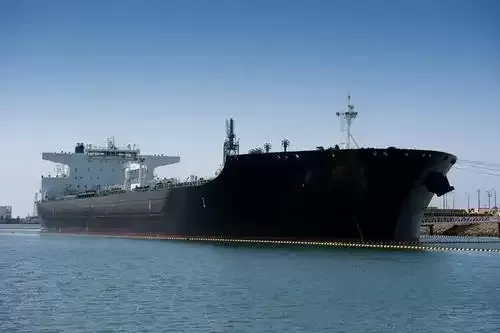
Currently, the strait remains open on paper, yet actual maritime movement has slowed to an absolute crawl. Recent shipping analytics indicate a staggering 88 percent drop in crude tanker transits, while vessels hauling liquefied petroleum gas have plummeted by 94 percent. Navigational warnings from Iranian military forces have caused hundreds of commercial ships, ranging from cargo freighters to massive energy tankers, to drop anchor in the open waters near major regional producers.
As insurance premiums for maritime travel go through the roof, global leaders are floating potential military interventions or naval escorts to secure the waterway. At least eight commercial ships have reportedly sustained damage since the hostilities ramped up. Market researchers note that reopening these trade routes remains a top priority for both Middle Eastern sellers and heavily dependent Asian buyers, though safety guarantees remain elusive.
Asian Powerhouses Pivot Quickly
Faced with an abrupt halt in Gulf supplies, major Asian refiners are actively bypassing traditional supply chains. Several immediate tactical shifts are already underway across the continent:
- China: Procuring nearly half of its crude from the Gulf, the country has instructed its massive domestic refining sector to immediately freeze exports of gasoline and diesel. Companies are also canceling previously agreed-upon outgoing shipments to protect domestic reserves.
- Japan: Relying on the Middle East for over 90 percent of its oil, Japanese refining corporations are urgently petitioning their government to unlock strategic national petroleum reserves.
- Indonesia and Thailand: Southeast Asian markets are hunting for alternatives. Indonesian facilities are heavily exploring American crude imports, while Thai authorities are attempting to secure non-Gulf LNG deliveries while simultaneously urging domestic consumption cuts.
India Embraces Alternative Crude Streams
The crisis has forced New Delhi to drastically alter its procurement strategy. Indian refiners are once again embracing Russian crude shipments, a practice they had recently dialed back due to complex trade negotiations with the United States. Tracking data indicates that tankers loaded with millions of barrels of Russian Urals crude, originally destined for different East Asian markets, have abruptly altered course toward Indian ports.
This pivot is largely out of necessity. India imports roughly 90 percent of its crude requirements, with half historically originating from the Gulf. This massive dependency leaves the domestic economy dangerously exposed to current price swings. Since the initial military clashes, benchmark crude prices have spiked by roughly 15 percent, pushing Brent crude past the $82 mark. Financial analysts warn that if the regional violence expands, the economic damage will easily bleed into adjacent domestic industries, affecting everything from fertilizer manufacturing to commercial aviation.
Catastrophic Disruptions in the LNG Market
The Strait of Hormuz is just as vital for the seaborne liquefied natural gas trade as it is for crude oil. The current geopolitical storm has heavily impacted Qatar, which typically commands around 20 percent of the global LNG supply. Following targeted strikes on major Qatari processing infrastructure, the state-owned energy provider was forced to declare force majeure, abruptly halting deliveries to its international buyers without facing traditional financial penalties.
Unlike some neighboring nations that can pump crude through terrestrial pipelines to the Red Sea, Qatari gas exports are entirely dependent on the Hormuz maritime route. This sudden vacuum in the market has triggered severe consequences globally:
- European natural gas prices witnessed a massive 52 percent surge immediately following the infrastructure strikes, marking the most aggressive price hike in years.
- Major Indian importers have been forced to declare their own force majeure, drastically cutting gas supplies to local industrial sectors.
- Price-sensitive factories are rapidly evaluating alternative fuels like naphtha or furnace oil to keep operations running.
- The surging cost of LNG is threatening to skyrocket the operating expenses for agricultural fertilizer plants, which will likely force governments to drastically increase state subsidies to prevent food price inflation.
While some credit rating agencies suggest the maritime blockade might be temporary due to its unsustainable economic pressure on all parties, the immediate reality is a fiercely tight market. For now, heavily dependent nations are left navigating one of the most unpredictable energy landscapes of the modern era.