South Korea Legalizes Tattoos: A New Era Begins
After decades of operating in a legal gray area, South Korea's vibrant tattoo scene is poised for a significant transformation. A recent legislative shift, slated to take full effect in 2027, will decriminalize tattooing and establish a national licensing system for artists. This landmark decision marks a turning point for an industry that has long been associated with stigma and illegality, despite its growing popularity and artistic merit.
Tattoos in South Korea have historically carried negative connotations, often linked to organized crime. This perception led to strict regulations, with only licensed doctors legally permitted to perform tattooing procedures. However, the demand for tattoos soared, leading to the rise of an underground market estimated to serve millions of South Koreans.
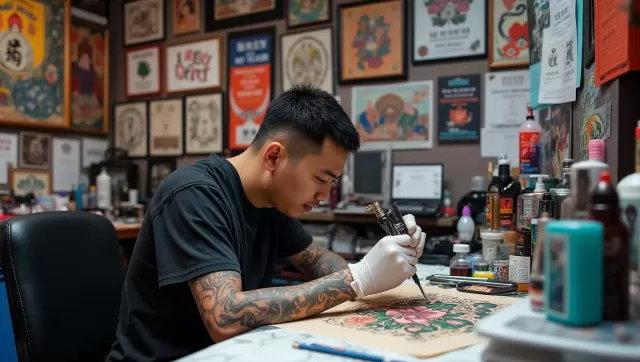
Operating in the shadows meant tattoo artists faced constant risk of prosecution and societal prejudice. Studios were discreetly hidden, and artists often felt like they were doing something wrong, even though they were expressing art through skin. The new law promises to bring legitimacy and recognition to these talented individuals, allowing them to practice their craft openly and safely.
A Long-Fought Battle for Recognition
The journey towards legalization was a hard-won victory. Tattoo artists and advocates, like Doy, who founded the Tattoo Union, campaigned tirelessly for reform. They challenged the criminalization of tattooing, arguing that it forced artists to work in unsafe conditions and prevented them from reporting abuse.
The Korean Medical Association voiced concerns about infection risks and potential interference with medical procedures, but the tide of public opinion and the growing recognition of tattoos as an art form ultimately prevailed.
What the New Law Entails
The incoming legislation introduces a comprehensive framework for regulating the tattoo industry. Key provisions include:
- A national licensing system with mandatory examinations and training requirements.
- Requirements for liability insurance to protect both artists and clients.
- Continued restrictions on tattoo removal, which will remain exclusive to licensed doctors.
- A ban on tattooing minors without parental consent.
The law will be implemented in October 2027, providing a transition period for establishing licensing and hygiene standards. Existing tattoo artists will have two years to obtain the necessary licenses.
Mixed Emotions and Lingering Concerns
While the legalization is widely celebrated, many tattoo artists approach the future with cautious optimism. While there's relief in finally being acknowledged, many are waiting to see how things will actually work. There is no formal amnesty for past offenses, and prosecutions like Doy's continue.
Despite the uncertainties, the new law represents a monumental step forward for South Korea's tattoo industry. It promises to usher in an era of greater artistic freedom, professional recognition, and enhanced safety for both artists and their clients.