The Quarter-Zip Movement: Black Men Redefine Style and Identity
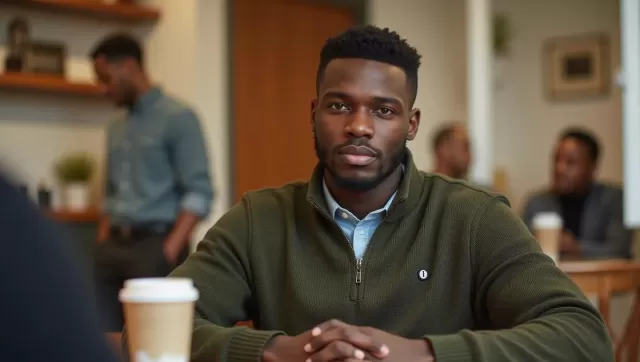
A new style movement is taking hold among younger Black men, signaling a significant sartorial pivot from streetwear to prep-inspired classics. The centerpiece of this trend is the quarter-zip sweater, a versatile pullover that has sparked a nationwide conversation about fashion, identity, and community. This shift, popularly known as the "quarter-zip movement," sees a departure from the once-ubiquitous Nike Tech fleece sweatsuits in favor of a more polished, business-casual aesthetic.
The TikTok Spark
The trend's origin can be traced to a viral TikTok video that captured the essence of the new wave. The clip featured two young, bespectacled Black men, Jason Gyamfi and his friend, confidently holding iced matcha lattes. Gyamfi's declaration that they favor "straight quarter-zips and matchas" over Nike Techs and coffee resonated widely, launching a style phenomenon.
This move toward structured knitwear aligns with a broader trend of Gen Z embracing more professional attire as they enter new phases of life. The quarter-zip has become the garment of choice, representing an aesthetic evolution. Yet, this is more than a fleeting fashion trend; publications note its significance as a cultural moment, running parallel to the modern resurgence of Black dandyism, which celebrates sharp, elegant dressing.
Building a Community Beyond Clothing
The movement has transcended social media, inspiring real-world gatherings across the country. Large-scale meetups have been organized, where young men convene in their quarter-zips to network and build connections. Corey Dooley Johnson, an organizer of a Chicago event, emphasizes that the initiative is about much more than what someone is wearing. He explains that the goal is to promote a holistic lifestyle centered on positive living, community service, and a strong sense of brotherhood. The meetups aim to rekindle a feeling of collective support and shared purpose.
This cultural shift is also driven by a desire to redefine narratives. For many, the Nike Tech sweatsuit, while popular within Black culture, became linked with negative stereotypes. Observers like TikToker Tamu Atemie note that the fleece tracksuits developed an unfortunate reputation, often appearing in news reports of criminal activities. This younger generation is consciously choosing a different uniform to distance themselves from these damaging and unfair associations.
A Complex Social Statement
Every fashion trend carries a degree of social and political weight. This movement arrives amidst ongoing discussions about modern masculinity, with some commentators viewing it as a response to feelings of powerlessness and a search for direction. The clean, conservative lines of the quarter-zip can be seen as an attempt to project an image of stability and control in a complex world.
Naturally, the trend has faced its share of criticism. Some online voices have labeled it an exercise in respectability politics, suggesting that participants are altering their appearance to become more palatable to mainstream white society. This critique argues that such a change places the responsibility on marginalized individuals to adapt, rather than challenging societal prejudices head-on.
However, advocates for the movement reject this interpretation. They maintain their motivations are centered on personal expression, building self-confidence, and creating a positive, supportive community. The aim is to celebrate Black men thriving and enjoying themselves, not to seek external approval. Marquan Jones, President of the Chicago Fashion Coalition, offers a nuanced perspective. He acknowledges that the way you dress often influences how you are treated but stresses that it should never define a person's inherent dignity. He powerfully states that no article of clothing has ever been able to shield a Black man from the realities of racism.
Ultimately, the man behind the viral video, Jason Gyamfi, cautions against over-analyzing the style choice. For him, the focus is on personal reinvention and individual expression. He argues that there isn't a fundamental difference between wearing a quarter-zip or a Nike Tech, because it is the person who gives the clothes meaning, not the other way around.