Venezuela Unrest Unlikely to Shake Global Oil Prices

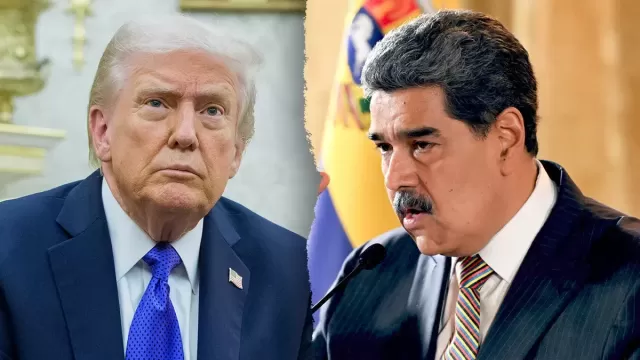
The recent political transformation in Venezuela, marked by the removal of Nicolas Maduro from power, has not triggered the immediate price surge many might expect from a major geopolitical shift in an oil-rich nation. Energy analysts suggest that the global market had largely anticipated a period of high friction, effectively neutralizing the shock of the transition.
Immediate Stability Amidst Political Upheaval
While the transition represents a significant historical event, its impact on crude futures remains contained. Financial experts anticipate only a marginal increase in Brent crude prices—perhaps a dollar or two—followed by a likely stabilization or decline. This resilience is attributed to the fact that the market is currently entering a period of seasonally weak demand, typical for the first quarter of the year.
Furthermore, the global landscape is characterized by an oversupply of oil. Even with the political change, the reality is that the market is currently saturated, which prevents prices from climbing significantly in the short term.
The Diminished Role of Venezuelan Supply
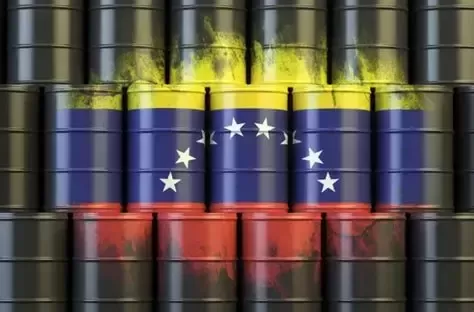
Despite possessing the largest proven oil reserves on the planet, Venezuela's current role in the global energy ecosystem is minimal. The nation's production has dwindled to less than one percent of total global output. Key reasons why the current disruption is manageable include:
- Venezuela currently produces less than one million barrels per day, a fraction of its historical capacity.
- Only about half of that production is actually exported to international markets.
- Record-breaking production in the United States, which recently topped 13.8 million barrels per day, provides a significant buffer.
- Increased output from OPEC+ members has kept the market well-supplied despite previous production cuts.
Long-Term Growth Potential and Investor Caution
Looking toward the future, the removal of the previous regime could eventually act as a bearish force on oil prices by unlocking dormant supply. If a stable new government emerges and international sanctions are rescinded, Venezuelan exports could theoretically climb back toward three million barrels per day.
However, the path to rebuilding the energy sector is fraught with complications. While the U.S. administration has suggested that billions of dollars in private investment could flow into the country, major energy corporations remain wary. Several factors contribute to this hesitation:
- Political Uncertainty: Energy giants are unlikely to commit massive capital until they have clarity on the legal and governing framework of the interim and future administrations.
- Historical Precedent: The memory of asset seizures and the expropriation of foreign infrastructure in the early 2000s remains a significant deterrent for Western firms.
- Unpaid Debts: Many international companies are still seeking to recover substantial debts owed by the state-owned oil entity, PDVSA.
Shifting Global Demand and Strategic Re-evaluations
The long-term appeal of Venezuela's reserves is also being viewed through the lens of changing global climate policies. Not long ago, the consensus was that oil demand would soon peak due to the rapid adoption of electric vehicles and strict environmental regulations.
Recent trends, however, have shifted that outlook. As several major economies—including China and Canada—weaken their climate targets and electric vehicle sales see a cooling period, the necessity for long-term oil production has regained prominence. For companies willing to navigate the political risks and commit to decades of infrastructure development, the vast reserves in Venezuela represent a high-stakes but potentially essential resource for meeting future global energy needs.